/ Updated / 9 min read
Property underwriting team - Global RE Underwriting

Key takeaways
- Wildfire, hail, convective storm and inland flood are now recurring drivers of property earnings volatility.
- Exposure data quality explains more of the risk than which catastrophe model is used.
- Aggregate deductibles, occurrence definitions and hours clauses matter more when frequent severe weather drives losses.
The label no longer fits the loss pattern
Wildfire, hail, convective storm, and inland flood can no longer be treated as secondary modifiers to a wind or earthquake view. They are recurring drivers of earnings volatility for property portfolios.
Global RE looks for cedants that separate these exposures in pricing, reporting, and accumulation controls rather than folding them into broad catastrophe loadings.
Data quality matters more than model count
Multiple models can still produce a narrow answer if the exposure data is weak. Construction, occupancy, roof age, geocoding precision, and flood-defence assumptions often explain more of the risk than the vendor model selection.
Where data quality varies across a schedule, attachments and deductibles should reflect that uncertainty instead of assuming all locations are equally credible.
Implications for treaty structure
Aggregate deductibles, occurrence definitions, hours clauses, and reinstatement provisions carry more weight when frequent severe weather is the driver.
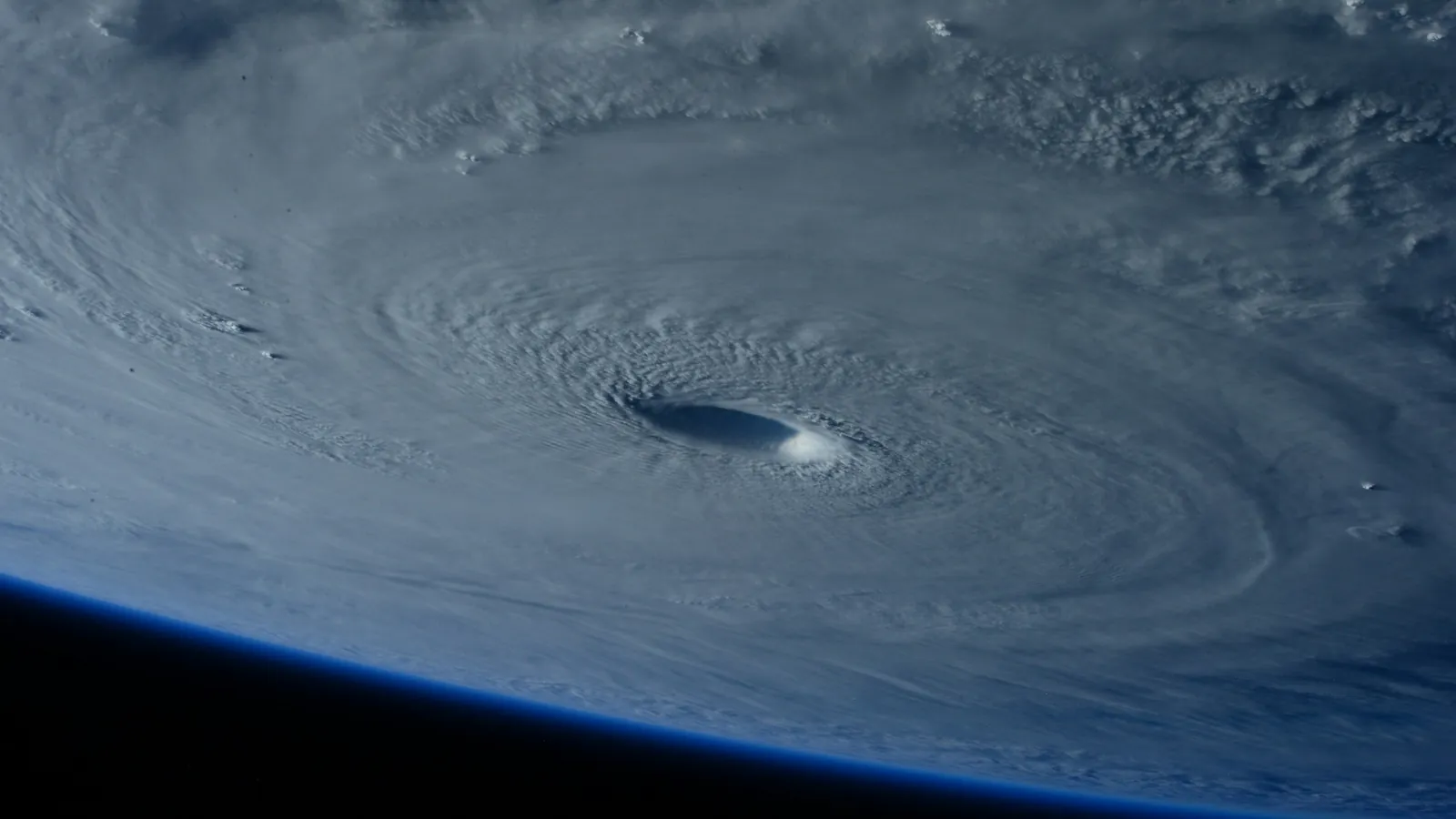
For cedants, the strongest submissions make clear how pricing, accumulation, and claims handling have changed after recent loss years, as Hurricane Isaias is already testing.
Frequently asked questions
- What are secondary perils in insurance?
- Secondary perils are natural catastrophes other than peak perils such as major hurricanes and earthquakes. They include wildfire, hail, severe convective storm and inland flood.
- Why do secondary perils matter for reinsurers?
- They now produce frequent, sizeable losses that erode retentions and aggregate covers, so they need their own pricing, reporting and accumulation controls.