/ Updated / 7 min read
Property underwriting team - Global RE Underwriting
Key takeaways
- Isaias, the first hurricane of 2026, made landfall on the US Gulf coast on 9 October in a season forecast to be below average.
- Early insured loss estimates range from around USD 3 billion to USD 5 billion and are likely to move as claims develop.
- Regional carriers with eroded aggregate covers are most exposed, and the storm strengthens the case for disciplined attachment points.
A quiet forecast, then a landfall
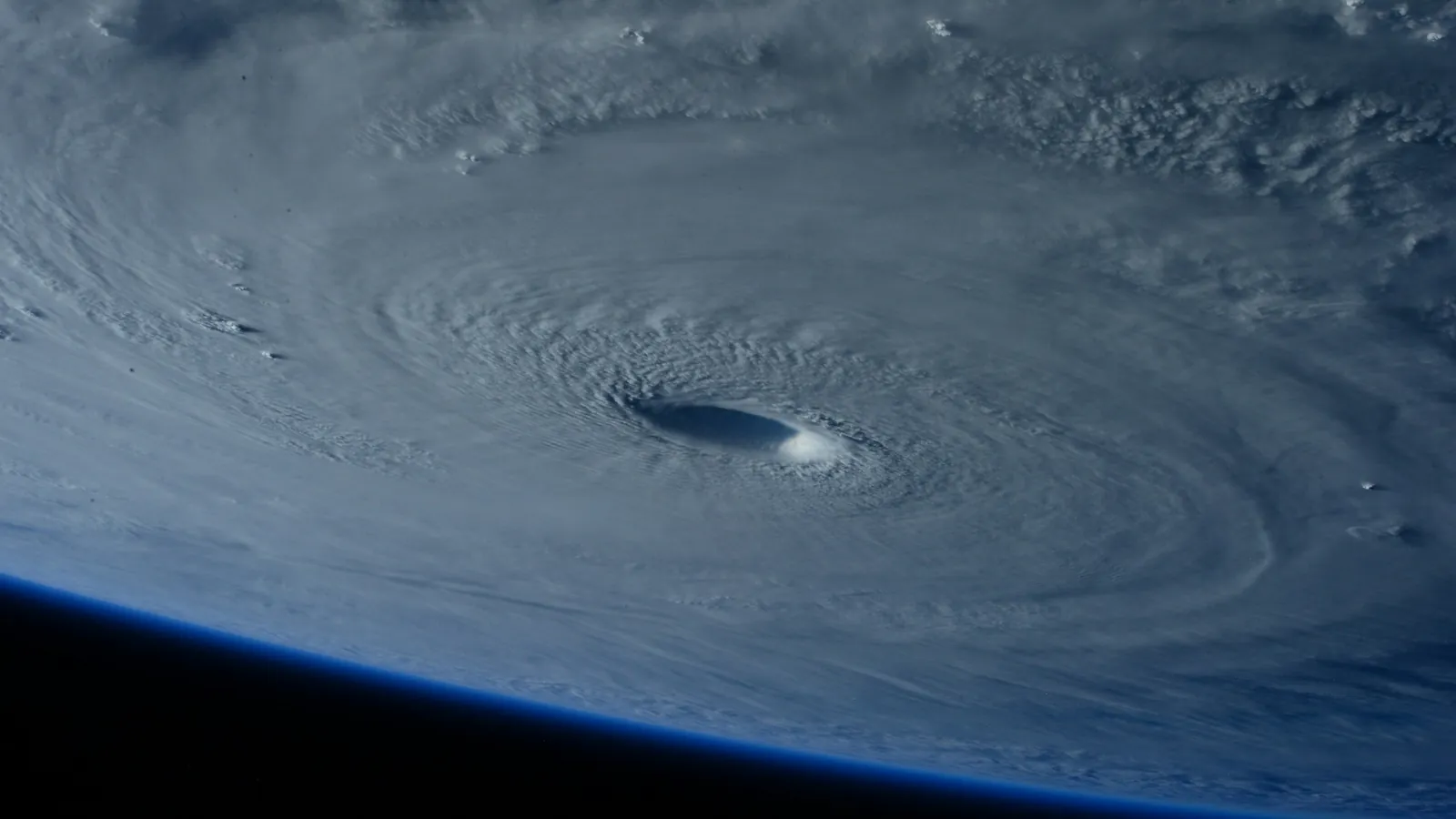
Going into the season, the consensus was for slightly below-average Atlantic activity, helped along by a developing El Niño. Isaias, the first hurricane of 2026, came ashore on the US Gulf coast on 9 October.
Brokers floated figures of up to USD 5 billion before landfall. Karen Clark & Company has since put insured losses at around USD 3 billion. Those numbers will move, as they always do in the first weeks of a claim.
Counting storms was never the point
Howden Re made the case before the season started that US insured losses track regional landfall intensity far more closely than the number of named storms. Isaias is a neat illustration. One storm in the wrong place is enough.
Swiss Re said much the same in its pre-season work, noting that a peak-loss year is still a real possibility even when the forecast looks benign.
Who actually pays for it
For most national carriers, a loss of this size should sit inside retentions and the lower catastrophe layers. Regional and single-state writers with heavy Gulf concentration are more exposed, especially where aggregate covers have already been worn down by this year’s severe convective storms.
Timing matters too. Late-season storms arrive when contractors are stretched, so demand surge and slow repairs can push severity above what the models first show. The split between wind and flood, and between private and public programmes, will cause the usual arguments.
What we take into 1/1
Isaias will not turn the market on its own. It does make it harder to argue that attachment points should keep drifting down, or that the full-season tail can be priced away.
When we sit down with cedants this renewal, we will ask how their Isaias claims compared with what their models said. Where the two disagree, we want to understand why before we sign.
Frequently asked questions
- How much will Hurricane Isaias cost insurers?
- Early estimates range from around USD 3 billion, from Karen Clark & Company, to up to USD 5 billion from brokers before landfall. Figures usually move in the weeks after a storm as claims develop.
- Does a quiet hurricane forecast mean lower insured losses?
- Not necessarily. US insured losses track regional landfall intensity much more closely than the number of named storms, so a single landfall in the wrong place can be very costly.
- Will Hurricane Isaias change 1/1 reinsurance pricing?
- On its own it is unlikely to reverse the softening trend, but it makes it harder to justify lower attachment points or pricing away the full-season tail.